Leave Your Message

Blog

How to Source Frozen Broccoli in 2026?

How to Source Frozen Broccoli in 2026?

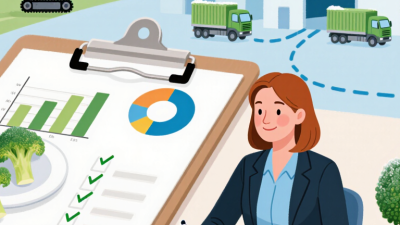
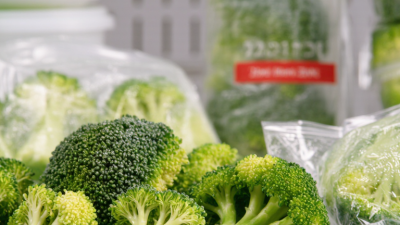
So, when you're looking into sourcing frozen broccoli in 2026, honestly, it's not just about comparing prices anymore. You've gotta think about a bunch of other stuff too—like whether the product's consistent batch after batch, if the supplier can actually deliver on time, and how reliable they are overall. I mean, you could see a carton that looks totally fine on paper, but then you open it up and find uneven floret sizes, way too many stems, or even ice chunks stuck in there. Little things like that really add up, you know? Just to keep things transparent, I’ve based this guide on a fictional composite adviser I’m calling Elena Brooks. That quote about reliable broccoli programs? It’s illustrative, not something she actually said verbatim – so don’t go looking for her on LinkedIn or anything. But the principle behind it is pretty solid: you’ve got to nail down your specs before you start shopping around. I mean, think about it – cut size, color, how much stem is acceptable, packaging, and even the temperature during shipment. Get all that clear first. And don’t just take one sample; ask for samples from a few different production lots. That way you’re not betting on a lucky batch. So here's a practical way to think about it: cook your samples the same way your customers will. Steam a portion, feel the texture, and see how much water ends up in the tray. That tells you a lot. Then when you're comparing suppliers, look beyond just price – consider consistency, how traceable their operations are, how they communicate, and whether they can actually explain their production and cold-chain controls. And don't forget to ask about seasonal variation – what happens when the produce changes with the seasons? And what's their policy if a shipment doesn't meet the spec you agreed on? Make sure you keep written records of everything – samples, any claims, and the corrective actions you take. Honestly, no checklist is ever going to catch every possible issue, so you have to stay on your toes. Honestly, I wouldn't just stop at the first sample—especially when it comes from a brand-new supplier and that sample looks almost too good to be true. You know what I mean? It's worth taking a second look. The next sections are basically a practical roadmap: they help you dig into who you're really working with, make sure the product actually fits what you need, and set up a sourcing plan that goes beyond just getting the quote. So, yeah, stick around—this part is where the real groundwork happens.
Read more »
Sophia By:Sophia - November 5, 2026
Top 10 Frozen French Fries Suppliers in China

Top 10 Frozen French Fries Suppliers in China

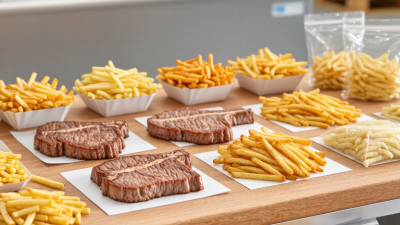
If you’re shopping around for frozen food in China, you already know there’s no shortage of suppliers—but finding ones you can actually rely on? That’s the tricky part. You want consistent quality, packaging that works for you, and prices that make sense. So we put together a list of ten Frozen French Fries suppliers to get you started. Whether you’re an importer, a distributor, a restaurant group, or running a food-service operation, this should give you a practical place to begin. When you're sourcing potatoes for a fry program, the little details really do matter. You have to think about where they come from, what cuts are available, coating options, how they're frozen, packaging sizes, production capacity, and the whole cold-chain setup. And honestly, small differences can make or break the finished dish. A classic straight-cut fry might be perfect for a quick-service kitchen, while a thicker cut often fits a pub-style menu a lot better. Honestly, specs deserve close attention—not just a quick once-over. Before you commit, ask for product samples, ingredient statements, storage guidance, and up-to-date quality documentation. And check whether the supplier can keep things consistent: same sizes, moisture levels, packaging, order after order. Export experience and communication quality definitely matter too, but you should verify those directly instead of just trusting the company profile. Details always vary, so it's worth taking the extra time. Look, this list isn’t some kind of guaranteed ranking or a seal of approval. Supplier capabilities, certifications, prices, lead times—they all shift over time, and public info only gets you so far. Keep that in mind. Use the list to narrow down your options, then ask for quotes and check supporting documents against your own requirements. You’ll often see what actually fits when you dig a little deeper—a shiny brochure can only hide so much. Let's be honest—sourcing is never totally flawless. You might find a supplier who seems great on paper, but you still have to ask a bunch of follow-up questions before you can really commit to a long-term thing.
Read more »
Olivia By:Olivia - November 2, 2026
7 Best Frozen Mix Fruit Suppliers for Global Buyers

7 Best Frozen Mix Fruit Suppliers for Global Buyers

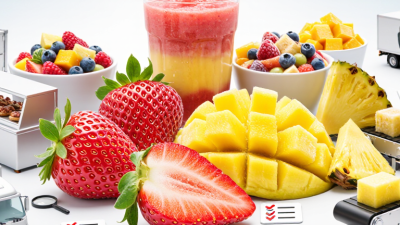
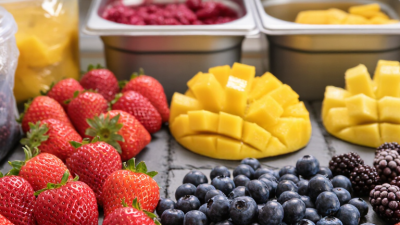
Let’s be honest—frozen mixed fruit is a real workhorse for smoothie brands, bakeries, food-service folks, and retailers. But just because the bag looks gorgeous in a product photo doesn’t mean every batch is going to be that good. As a buyer, you really have to dig into the details: what varieties are in there, how uniform the cut is, how sweet it tastes, where it comes from, how it’s packed, and—most importantly—what it actually looks like after it thaws. You know, sourcing is one of those things that sounds straightforward until you actually get into it. Take a simple carton of mixed fruit—strawberries, mango, pineapple. Even if they look fine, the pieces are rarely uniform, and once they thaw, some warm up faster than others, which can mess with the texture. That's why supplier checks have to go beyond the basics: specs, traceability, cold-chain handling, and independent food-safety audits all need to be on the list. And don't just ask for one sample—request multiple lots. It's the little things that end up making a big difference. You know, when you look at the bigger picture, industry data actually gives all this diligence some real context. Take the FAO’s 2023 SDG progress report—it estimated that in 2021, around 13.2% of food was lost somewhere between harvest and retail. That number covers food in general, not just frozen fruit, but it’s a pretty strong hint that storage and logistics are worth paying close attention to. The OECD-FAO Agricultural Outlook 2024–2033 adds another layer of context, especially around how food and ag markets are shifting. Of course, neither of those reports can tell you whether a particular supplier’s claims actually check out. Of course, buyers still need to do their own homework—checking the documents and product samples, you know, just to be safe. Alright, so if you’re looking for frozen mixed fruit suppliers around the world, this guide walks you through seven of them that are worth checking out. We’ll cover their product range, how solid their export game is, what certifications they hold, and a few practical sourcing tips along the way. Fruit Mix Frozen is pretty versatile and can work in a lot of recipes—but honestly, no single supplier is going to fit every market or every use. It really depends on what you need. And sure, price matters, but it’s definitely not the whole story. When you're comparing specs, don't just skim through them—really take a close look. And if something's missing or outdated, treat that as a cue to ask more questions, not necessarily a dealbreaker. Sure, some claims might sound reassuring at first, but you still need to see the actual evidence behind them.
Read more »
Emma By:Emma - October 29, 2026
10 Tips for Buying Frozen French Fries Wholesale?

10 Tips for Buying Frozen French Fries Wholesale?

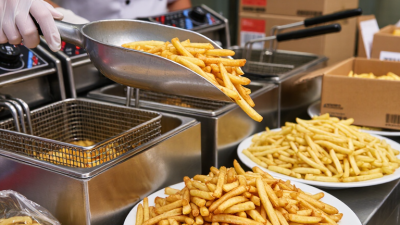
Buying Frozen French Fries wholesale sounds simple enough—until product specs actually run into real kitchen conditions. And a lower carton price? It can easily hide higher oil absorption, way too much breakage, or portion yields that just aren’t consistent. So buyers really need to look at the full offer, not just the quoted price. Honestly, the industry data kind of backs up this careful approach. The USDA's Foreign Agricultural Service, for example, keeps reporting solid international trade in processed potato products, frozen fries included. And in its reports on potatoes and potato products, it points to production costs, export volumes, freight, and crop conditions as key things to watch. Grand View Research? They also call out foodservice growth and convenience demand as big drivers in the frozen potato market. So yeah—these trends give you more suppliers to choose from, but they also make comparisons trickier. And honestly? Experience really counts here. A sample might fry up perfectly in one kitchen and then flop in another. Things like oil temperature, how full the fryer is, storage time, even how it's served can all change the result. It's the small details that make the difference. So here’s the deal: this guide lays out ten practical tips for buying wholesale. It touches on cut size, coating, cooking performance, packaging, storage, certifications, delivery reliability, and—probably just as important—how you communicate with suppliers. Lamb Weston and McCain do publish some pretty useful product and foodservice info, but don’t just take their word for it. Check every claim yourself. After all, marketing language isn’t evidence. Look, even seasoned buyers slip up sometimes. I’ve seen people get so caught up in a big discount that they completely miss thaw damage—and that mistake can wipe out the savings in just a few weeks. A solid evaluation really needs to pull together supplier paperwork, sample testing, landed-cost math, and input from the folks who actually prep and serve the fries.
Read more »
Olivia By:Olivia - October 25, 2026
How to Source Frozen Mixed Mushrooms?

How to Source Frozen Mixed Mushrooms?

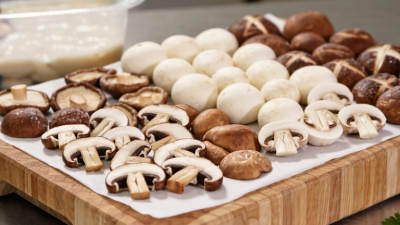
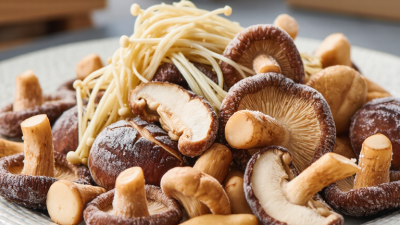
Sourcing Frozen Mixed Mushrooms requires more than comparing prices on a supplier spreadsheet. Buyers must understand species, processing methods, seasonal supply, and cold-chain performance. A reliable Frozen Mushroom Mix should show consistent cuts, clean appearance, and a balanced ratio of mushroom varieties. Yet, specifications can vary between batches. That detail is easy to overlook. Experienced buyers usually begin with a clear product brief. It should define species, slice size, moisture limits, packaging weight, origin, and expected annual volume. Ask suppliers whether mushrooms are IQF frozen or block frozen. IQF pieces should separate easily after opening the bag. The package should remain solid, dry, and free from excessive ice crystals. Small details matter. Supplier verification also needs practical evidence. Request product samples, recent laboratory reports, allergen statements, traceability records, and storage information. Check whether the supplier can maintain stable temperatures during transport. A serious producer should explain its inspection process without avoiding difficult questions. Certifications such as HACCP, BRCGS, or IFS may support confidence, but certificates alone do not prove every shipment is perfect. Test the mix in your actual kitchen or factory. Measure cooking loss, texture, aroma, and visual consistency. Some mushrooms may release more water than expected. That can affect sauces, pizzas, soups, and ready meals. I have found that the cheapest offer often becomes expensive after yield losses and customer complaints. Still, no sourcing method is flawless. Weather, harvest timing, and factory capacity can change results. A careful buyer keeps records, reviews performance, and improves the Frozen Mixed Mushroom specification over time.
Read more »
Sophia By:Sophia - October 20, 2026
What Are the Top Frozen Nameko Suppliers in 2026?

What Are the Top Frozen Nameko Suppliers in 2026?

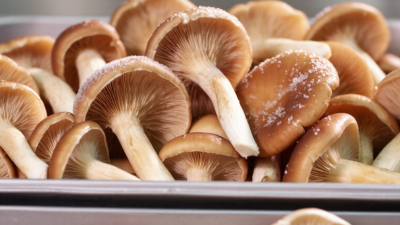
Frozen Nameko is starting to turn heads among food manufacturers, restaurant distributors, and specialty mushroom buyers in 2026. And it's easy to see why: glossy caps, a firm bite, and that mild earthy flavor work well in soups, sauces, hot pots, and chilled meal kits. But here's the catch—supplier quality can swing a lot. Growing conditions, how fast the mushrooms are frozen, packaging discipline, and export experience all shape what you actually get. This guide looks at leading Frozen Nameko suppliers through a practical buying lens. Think cultivation control, product consistency, cold-chain reliability, certifications, traceability, and communication. A reliable supplier should give you clear specs: cap size, moisture level, net weight, carton format, storage temperature, and recommended shelf life. And before you sign a big contract? Ask for recent samples. They'll tell you more than any glossy brochure. Not every supplier shares complete performance data. That matters. Ranking companies when public info is thin takes caution, even if their products look competitive. Market prices, harvest volumes, freight conditions, and regional demand can all shift during 2026. So use this overview as a due-diligence starting point, not a replacement for it. Supplier claims still need independent verification. The strongest candidates usually pair modern freezing equipment with stable mushroom sourcing. They also get back to you quickly when shipments are delayed or quality issues pop up. Look for documented inspection procedures and delivery schedules that feel realistic, not just optimistic. Fast replies help—a lot. This article compares potential suppliers from a buyer's point of view. It calls out strengths, possible limitations, and where each might fit best. Whether you need bulk ingredients or retail-ready packs, the right Frozen Nameko partner should deliver consistency beyond one successful shipment.
Read more »
Olivia By:Olivia - October 14, 2026
7 Best Frozen French Fries Suppliers Worldwide

7 Best Frozen French Fries Suppliers Worldwide

Picking the right Frozen French Fries supplier? Yeah, it takes a lot more than just comparing price tags. Quality can shift depending on the potato variety, what the harvest looked like, the cutting equipment, even how the fries were stored. Honestly, a crisp fry starts way before it ever hits the fryer. John Keeling, former CEO of the National Potato Council, once put it like this: “The potato is one of the most versatile crops in the world.” And that versatility is exactly why you see so many options. Suppliers might offer straight-cut, crinkle-cut, wedge, or coated fries. Different kitchens, customers, and cooking setups all need different things. This guide takes a look at seven leading Frozen French Fries suppliers around the world. We’re looking at things like where the potatoes come from, how consistent the cuts are, freezing tech, supply capacity, packaging, and food safety controls. We also get into the practical stuff—like whether the fries still taste crisp after fifteen minutes under a heat lamp. You’ve probably heard names like McCain Foods, Lamb Weston, J.R. Simplot Company, and Farm Frites. They’re big in global foodservice for a reason. But reputation alone won’t tell you everything. A huge supplier might be overkill for a small distributor. And a cheaper option can end up costing more if you’re tossing broken pieces or dealing with uneven frying. Truth is, there’s no perfect supplier. Where you’re located, shipping distance, and local taste preferences can all swing the final call. Some claims deserve a closer look, too—especially sustainability statements and performance promises. Before signing any long-term agreement, buyers should test samples on their own equipment. That one small step can tell you way more than a shiny brochure.
Read more »
Sophia By:Sophia - October 9, 2026
10 Tips for Sourcing Frozen Blueberries in Bulk

10 Tips for Sourcing Frozen Blueberries in Bulk

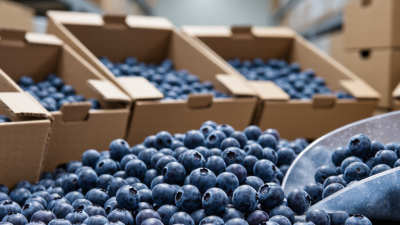
When you're sourcing frozen blueberries in bulk, it’s not enough to just compare prices on a spreadsheet — there’s a lot more to think about. You really need to dig into the quality, supply consistency, proper documentation, and how well the delivery runs. I mean, a shipment can look pretty tempting online, but then you get the cartons and find they’re filled with extra ice, crushed berries, or uneven sizes. Those little things can end up costing you more in the long run. I've found that these ten practical tips come from experience — they’re what seasoned food buyers keep in mind every season. They cover stuff like the berry variety, whether they’re IQF (individually quick frozen), the harvest time, pack sizes, moisture control, and how the cold chain is maintained. A trustworthy supplier should be ready to share clear specs, recent samples, traceability info, and a Certificate of Analysis when needed. Plus, don’t overlook the importance of factory audits and open communication — a slick website alone won’t cut it. Make sure to ask about the country of origin and check the crop year. It’s worth reviewing storage temperatures and loading procedures too. Keep an eye on the berries’ firmness, color, sweetness, and how they handle foreign matter. If you prefer 10-kilogram cartons, double-check the pallet layout before you sign on the dotted line — freight stuff can really impact your actual costs once everything’s landed. Honestly, some lessons only come from experience. Sometimes a lower quote hides issues like unstable supply or weak packaging. I’ve also seen buyers get fixated on how the berries look, but then overlook the risks around thawing during transit — that’s a mistake you definitely want to avoid. Still, no sourcing checklist is foolproof. Weather delays, port holdups, and harvest hiccups can throw a wrench in even the best plans. The idea isn’t to eliminate every single risk, but to spot potential problems early and have practical backup options ready. With careful checks, frozen blueberries can really help ensure steady production, happy customers, and smarter buying choices down the line.
Read more »
Olivia By:Olivia - October 4, 2026
10 Best Frozen Soybean Suppliers for Global Buyers

10 Best Frozen Soybean Suppliers for Global Buyers

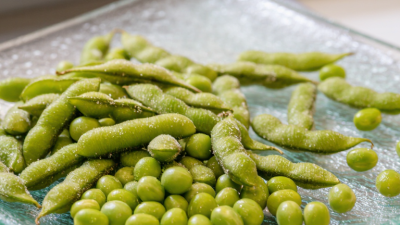
When it comes to sourcing Frozen Soybeans, just offering a low price isn’t enough. Buyers really care about consistent quality, how well the cold chain is maintained, and whether the supplier is transparent about their practices. Take Frozen Green Soybeans, for example—they’re quite sensitive to temperature shifts. Any delays can really affect their color, texture, and nutritional value. So, seasoned buyers tend to dig into details like how harvests are handled, blanching standards, the sturdiness of packaging, and records of storage conditions. They also want to know if suppliers can keep the quality steady across different seasons. Dr. Kantha Shelke, a food scientist and industry consultant, sums it up nicely: “Food quality is all about the entire chain—from the field right up to how it’s prepared.” That’s a key point when you're sourcing frozen soybeans internationally. A trustworthy supplier should be able to give clear specs, respond quickly to questions, and have solid export experience. In this guide, we’ve looked at ten top suppliers of Frozen Green Soybeans for global buyers. We considered their product variety, processing capabilities, flexibility for private labels, certifications, minimum order requirements, and how they handle logistics. Companies like Seapoint Farms, JFC International, and Greenyard show different ways of approaching frozen veggies distribution. Of course, not every supplier will fit every market—it’s kind of the toughest part. A restaurant buyer might prefer smaller boxes, while a food manufacturer might need larger, more consistent bulk orders. Price can also be tricky because it might hide other costs, like refrigerated freight, port handling, inspections, or temperature monitoring. Some details are worth double-checking, too. While supplier websites might look sleek and professional, buyers should ask for up-to-date documents and get direct confirmations. Having a strong shortlist is key—it should help verify info but shouldn’t replace thorough due diligence. Hopefully, this introduction gives you a good starting point to compare Frozen Green Soybean suppliers more confidently.
Read more »
Emma By:Emma - September 30, 2026
7 Best Frozen Mixed Mushroom Suppliers for Global Buyers?

7 Best Frozen Mixed Mushroom Suppliers for Global Buyers?

Choosing a reliable supplier for frozen mixed mushrooms isn’t just about comparing prices — there’s more to it. For buyers around the world, it’s really important to look into what species are included, when exactly they’re harvested, the kind of IQF (individual quick freezing) tech used, how they’re packaged, and how the cold chain is maintained. A package of Frozen Mushroom Mix might look super appealing on the outside, but if the pieces thaw unevenly or if there’s too much glaze, you might end up disappointed. Trust me, it happens more often than you'd think. Paul Stamets, a renowned expert in mushroom cultivation, once said, “Mushrooms are basically tiny pharmaceutical factories, and inside their cells are new medicines waiting to be discovered.” That just goes to show how important proper handling is. Freezing can’t fix poor raw materials — it only preserves whatever quality the supplier starts with. In this guide, I’ve rounded up seven solid Frozen Mixed Mushroom suppliers for international buyers out there. I’ve looked at things like how consistent their products are, how traceable they are, whether they have good food safety systems, their experience with exporting, minimum order requirements, and whether they support private labeling. I also considered practical stuff like how sturdy their cartons are, how well their pallets load, and how reliable their delivery is, especially during busy seasons when things can get a little hectic. Of course, no supplier is perfect. Cold chain breaks happen, certificates can sometimes be outdated, and a low quote might hide some weaker grading or unbalanced species ratios. That’s why it’s crucial to ask for up-to-date specs, lab reports, sample cartons, and clear Incoterms before you sign any contracts — surprisingly, a lot of people skip this step. Remember, these companies are just good starting points — they’re not set in stone. What works best can depend on where you’re importing to, your menu or product needs, and your annual volume. Distributors focusing on restaurants might care about flexible packaging sizes, while food manufacturers often need a steady supply of uniform pieces. So, in the end, thorough testing is key. Because little differences can really make a difference, and it’s worth getting it right.
Read more »
Olivia By:Olivia - September 27, 2026
2026 Top Frozen Fruit Types for Global Buyers

2026 Top Frozen Fruit Types for Global Buyers

You know, frozen fruit is no longer just a backup for smoothies and desserts. It's become a real strategic ingredient these days. Brands love it for its year-round availability, portion control, and how it cuts down on prep time. But, of course, there are still some practical choices to make—do you go for whole berries, sliced ones, mango chunks, pineapple pieces, or maybe blended mixes? Each format behaves a bit differently, especially in cold storage or on the production line, so it’s not a one-size-fits-all kind of thing. By the way, Grand View Research estimates that the global frozen fruit market hit about $7.1 billion in 2023—and they're predicting it’ll keep growing through 2030. Just keep in mind, that’s a business projection, not an official count from customs or anything like that. The USDA’s Economic Research Service also provides some insight on fruit availability and consumption, but their data doesn’t always separate frozen products specifically. So, if you're comparing those figures, double-check what exactly they’re counting, because numbers can be a bit misleading. Getting good quality fruit starts way before it hits the shipping dock. Things like the type of fruit, how ripe it was when harvested, how quickly it was frozen, whether it was glazed, and how well the temperature was controlled—these all make a big difference in texture and yield. Alison Bodor, who’s the President and CEO of AFFI, has talked about how frozen foods play a major role in convenient, accessible eating. Her insights are relevant here too, even if she’s not specifically talking about fruit sourcing. Still, nothing beats doing your own tests—sometimes a bright, shiny berry can turn soft once thawed, and mango cubes might hold up well in smoothies but not in a bakery filling. This guide is all about the top frozen fruit options for global buyers in 2026. We’ll look at how they’re used, what sourcing considerations matter, and how consistent they tend to be. But honestly, the prettiest-looking sample isn’t always the best choice. Always ask for detailed specs, test the texture after thawing, and check where they come from and how they’ve been handled. Making reliable decisions is really all about having the right information in hand.
Read more »
Olivia By:Olivia - September 24, 2026
What Are the 2026 Top Frozen Nameko Suppliers?

What Are the 2026 Top Frozen Nameko Suppliers?

Frozen Nameko is gradually becoming more than just a niche Japanese ingredient—it's starting to be seen as a reliable choice for restaurants, food manufacturers, and grocery stores alike. But honestly, suppliers can vary a lot in quality. Things like cap color, stem firmness, glazing, packaging, and temperature logs all matter quite a bit. Just because a box looks shiny and new doesn't mean the cold chain was maintained properly. In this guide, we're taking a close look at the top Frozen Nameko suppliers you should consider for 2026. We’re focusing on real, practical evidence—harvesting standards, freezing techniques, export experience, documentation, and customer reviews. We’re not just talking about pretty websites; transparency about facilities really counts. And so does how the mushrooms perform after thawing. A good product will keep that delicate aroma, the smooth texture, and those characteristic umbrella-shaped caps. Paul Stamets, a well-known mycologist and author, once said, "Mushrooms are miniature pharmaceutical factories, packed with hundreds of medicinal compounds." That really highlights why sourcing quality matters — even more so for Nameko, which has its own culinary and supply chain quirks. We’re not taking every supplier claim at face value, since some info might be missing or outdated, and things can change during 2026. Ideally, the best suppliers will show solid food safety practices, traceable origins, reliable export capabilities, and clear storage instructions. When choosing frozen Nameko, pay attention to details like carton weight, net drained weight, ice coverage, and how well they hold up during thawing—small things that can point to bigger issues down the road. Now, this review isn’t set in stone. Rankings can vary depending on your region, order size, harvest conditions, or how recent the verification was. Still, it provides a solid starting point for comparing reputable Frozen Nameko suppliers and hopefully making a more confident buying decision.
Read more »
Olivia By:Olivia - September 21, 2026
2026 Top Frozen Broccoli Suppliers for Global Buyers?

2026 Top Frozen Broccoli Suppliers for Global Buyers?

Looking ahead to 2026, the frozen broccoli market is really going to favor suppliers who can deliver consistent quality, stick to strict cold-chain protocols, and be upfront and transparent in their communication. These days, international buyers aren’t just hunting for the best price—they want reliable florets, precise specs, and shipments that show up in perfect condition—no thawing or damage on arrival. This guide is all about the top frozen broccoli suppliers that international purchasing teams should consider. We’ll look at things like IQF technology, harvest timing, broccoli color, stem content, pack sizes, certifications, traceability, minimum order requirements, and how experienced they are with export. Big names like Green Giant, Dole, Ardo, Bonduelle, and regional processors all have their own strengths. Some focus on retail packs; others are geared toward foodservice or industrial volumes—so there’s usually something for everyone. Because, honestly, details really do matter here. Dr. Robert Brackett, a well-known food safety expert, once said, “Food safety starts with controlling the process, not just fixing the finished product.” That kind of thinking hits home with frozen broccoli, too. Great suppliers manage everything from how the fields are treated, to blanching, freezing speed, storage temps, and packaging. Buyers should definitely ask for recent audit reports, product samples, lab test results, and clear documentation on recalls. Of course, no supplier is perfect. Even the most experienced exporters can run into weather issues, port delays, or uneven harvests—that’s just a part of the game. While it might be uncomfortable to think about, it’s good to keep in mind. That super-low price quote? It might hide some risks—like weaker traceability or higher inspection chances. And even big, well-known brands might not have the specific pack formats your factory needs. So, this guide doesn't just judge suppliers by their reputation. Instead, it looks at tangible evidence—things like how much they can produce, how quick they are to respond, their documentation quality, and whether their shipments stay consistent over time. Sometimes, the best partner isn’t the biggest company; it’s the one that’s willing to answer your questions clearly, especially when your specs change or new demands come up.
Read more »
Sophia By:Sophia - September 18, 2026
10 Tips for Buying Sun Dried Tomatoes in Bulk?

10 Tips for Buying Sun Dried Tomatoes in Bulk?

Buying sun-dried tomatoes in bulk isn’t just about finding the cheapest price out there. Honestly, there’s a lot more to think about—things like flavor, how long they’ll last, how efficiently they’re made, and whether your customers will actually be happy with the product. Sometimes, that bright red bag on the shelf can still hide issues like too much moisture or uneven texture, so looks aren’t everything. Just because a quote sounds tempting doesn’t mean it’s a great deal. To help you make smarter choices, I put together this quick guide with ten practical tips. It covers stuff like the variety, where the tomatoes were grown, different drying techniques, moisture levels, salt content, packaging, and shipping conditions. A good rule of thumb—always ask for recent samples before placing a big order. A tiny sample can reveal if there are chewy bits, burnt edges, too much oil, or weak aroma, which really matter when you’re cooking or selling. Trustworthy suppliers should be transparent—they ought to give clear specs and tracking info. Don’t hesitate to ask questions about harvest dates, ingredient lists, allergen controls, lab tests, and storage tips. Certifications can help, but remember—always verify them yourself. This same level of care is important with other sun-dried veggies too, especially if they’re stored or shipped together. When it comes to pricing, don’t just compare the sticker prices. A cheaper-looking box might actually have more broken pieces, higher moisture, or less usable weight. Also, consider shipping costs, packaging fees, customs, and possible waste or spoilage. I’ve learned firsthand that even seasoned buyers sometimes miss these small details, especially when they’re busy or tight on time—that’s just human nature. Making the right purchase decisions takes some effort—proof, good communication, and patience. Reliable suppliers will answer your questions clearly and consistently. Keep a record of any test results and always compare samples under the same conditions. This way, you’re less likely to get surprised and can set up a more reliable bulk supply chain. Sure, mistakes happen—that’s part of the game—but rushing or making careless assumptions just makes fixing them harder later on.
Read more »
Sophia By:Sophia - September 14, 2026
China Top Frozen Canned Fruit Suppliers for Global Buyers

China Top Frozen Canned Fruit Suppliers for Global Buyers

China has really become a go-to spot for sourcing frozen canned fruit. They supply all kinds of buyers—distributors, food manufacturers, hotels, and retail brands all around the world. You can find peaches, pears, cherries, pineapple, apricots, and mixed fruits in various formats. But, honestly, quality can sometimes be all over the place. When you’re shopping around for a reliable supplier, you wanna make sure they give you clear product specs, stable sourcing during different seasons, proper hygienic processing, and canning that doesn’t fluctuate. It’s smart to look into things like fruit variety, Brix level (that’s sugar content), cut size, syrup ratio, net weight, packaging durability, and how long the product will last. Factory inspections are a must-have, and it helps if they have traceable records to back everything up. Dr. Robert Brackett, who’s a food safety pro and used to lead the FDA’s Center for Food Safety and Applied Nutrition, always says “food safety is a shared responsibility.” That really hits home when you’re dealing with frozen canned fruit. The responsibility starts from selecting the right farms and keeps going through processing, storage, loading, and right up to final delivery. This guide aims to give you a practical look at China-based suppliers—things like how much they can produce, their experience with exports, support for private-label options, certifications, how quick they are to respond, and their quality control systems. Companies like Shandong Longkou Longfeng Foodstuff Co., Ltd., Dalian Yidu Food Co., Ltd., and Zhejiang Snowking Food Co., Ltd. all have different profiles, so it’s worth knowing what each one brings to the table. And here’s a little reality check: a low price alone isn’t enough. Sometimes buyers forget to check if the syrup is consistent or if the cartons are damaged—those little things can end up costing a lot later on. Plus, factors like port conditions, harvest variations, and shifts in customer preferences also play a big role. No supplier’s perfect, but a strong partnership usually comes down to clear standards, honest communication, and doing sample checks before going big on orders.
Read more »
Sophia By:Sophia - September 11, 2026